
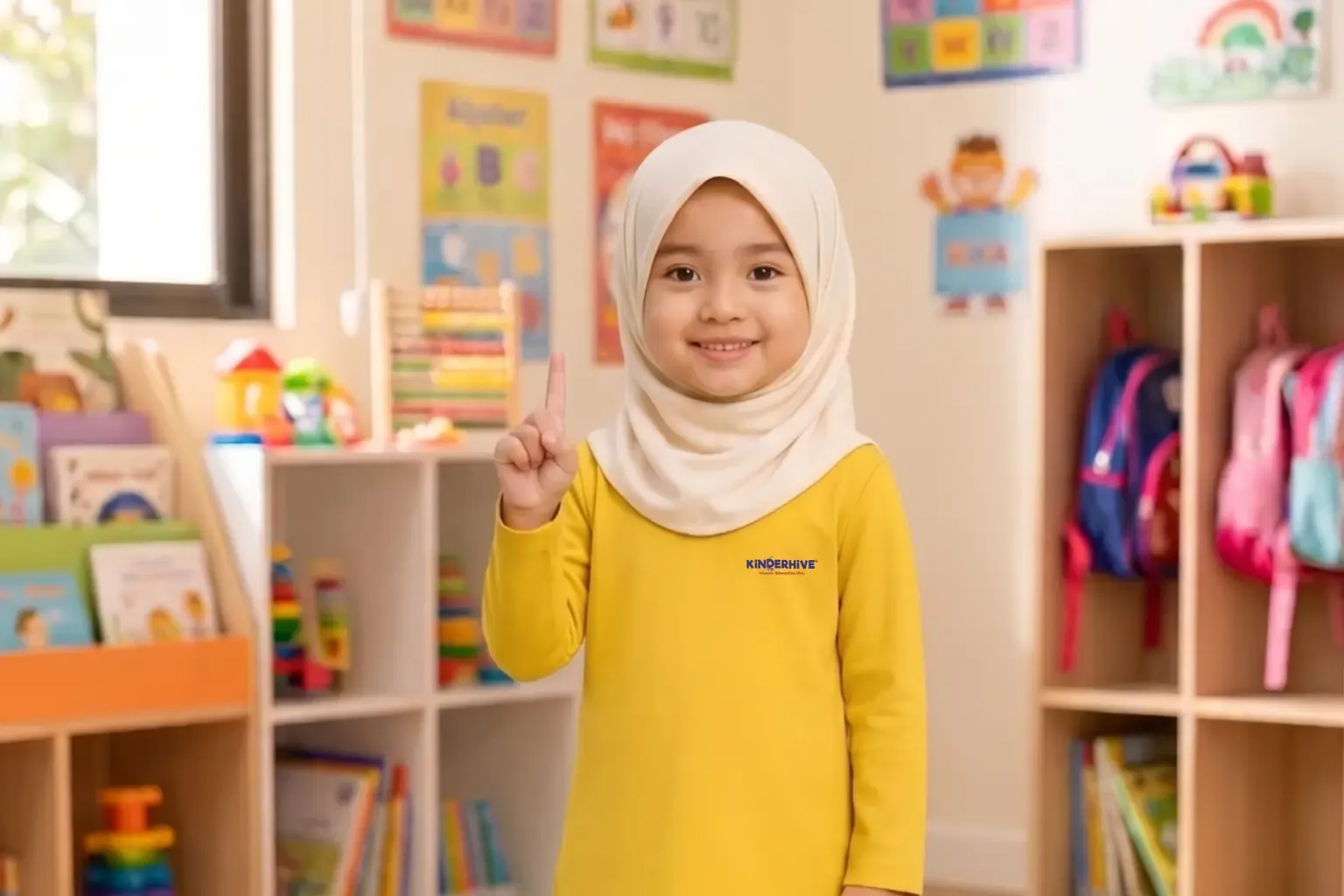
What Is Islamic Education for Young Children?
For many parents, the question is practical as much as philosophical. They are not only asking for a definition. They want to know what their child will experience, what values will be reinforced, and whether faith-based learning can sit comfortably alongside strong academic preparation. The short answer is yes, but the quality of that balance matters.
What Is Islamic Education?
Islamic education is a form of learning that develops a child intellectually, emotionally, socially, physically, and spiritually through the guidance of Islamic beliefs and values. It helps children understand who they are, who their Creator is, and how they should live with adab, responsibility, and compassion.
That means Islamic education is broader than teaching Quran recitation or memorizing duas, though those are meaningful parts of it. At its best, it shapes worldview. A child learns that knowledge is a trust, good manners matter, and everyday actions can carry purpose. Washing hands, telling the truth, waiting patiently, caring for others, and showing gratitude are all part of learning.
For young children especially, Islamic education should feel lived, not merely delivered. Early childhood is not the stage for heavy abstraction. It is the stage for habits, language, emotional security, and loving guidance. Children learn Islam first through relationships, routines, stories, imitation, and consistent care.
The Goal of Islamic Education
The goal is not simply to produce a child who can repeat correct answers. It is to nurture a child whose heart, mind, and behavior are being formed in a healthy direction. In an Islamic framework, education is tied to tarbiyah - the gradual process of growth, cultivation, and development.
This matters because children do not build identity in separate compartments. They do not live one part of life for faith and another for learning. A strong educational environment helps them see that curiosity, discipline, mercy, and respect belong together. A child can explore science, language, numbers, art, and problem-solving while also learning that Allah created the world with wisdom and beauty.
There is also a long-term aim. Islamic education seeks to raise children who know how to worship, how to relate to others, and how to carry themselves with integrity. But that aim must be age-appropriate. A preschooler is not expected to think like a teenager. Good Islamic education honors child development rather than forcing maturity too early.
What Islamic Education Looks Like in Early Childhood
In the early years, children learn best through repetition, sensory experiences, movement, stories, songs, conversation, and play. So when parents ask what is islamic education in a nursery, preschool, or kindergarten setting, the answer should include more than formal instruction.
It may look like beginning the morning with salam, learning simple duas connected to daily routines, hearing stories of the prophets in a warm and accessible way, and practicing turn-taking because fairness matters. It may include classroom language that builds Islamic identity naturally, such as thanking Allah for food, recognizing the beauty of creation outdoors, or encouraging honesty even in small moments.
At the same time, children still need the foundations of quality early education. They need language development, early literacy, number sense, fine and gross motor growth, social-emotional support, and opportunities to ask questions. A healthy Islamic learning environment does not treat these areas as secondary. It integrates them.
That is where modern pedagogy becomes important. Play-based learning, guided discovery, and age-appropriate STEAM experiences can sit very comfortably within an Islamic setting when they are framed with intention. Building with blocks can support problem-solving and teamwork. Nature walks can strengthen observation and wonder. Story time can develop vocabulary while reinforcing moral lessons. Faith and child development do not compete when the curriculum is thoughtfully designed.
More Than Religious Knowledge
One common misunderstanding is that Islamic education is only about religious content. Another is that it is mainly about rules. Both ideas are too narrow.
Children certainly need religious knowledge, but knowledge without character can become shallow. They also need warmth, belonging, and examples they can trust. If a child memorizes words but does not experience gentleness, respect, and consistency, the educational message becomes fragmented.
This is why environment matters so much. Teachers, parents, and caregivers are not just delivering information. They are modeling what Islamic life looks like in practice. Tone of voice, patience, fairness, cleanliness, organization, and the way adults respond to mistakes all teach something. Young children are especially attentive to what adults do, not only what they say.
A thoughtful Islamic education also avoids reducing faith to fear. Children need to know right and wrong, but they also need to know Allah as Merciful, Generous, and Near. Love, safety, and trust are powerful foundations for sincere learning.
Why Parents Ask What Is Islamic Education Today
Many Muslim families are trying to raise confident children in environments that move quickly and often send mixed messages about identity, values, and success. Parents want strong academics, but they also want something deeper than performance. They want children who can thrive without losing their grounding.
That is why the question feels urgent. Parents are not merely selecting a school model. They are choosing an atmosphere that will shape language, habits, confidence, and belief during the most formative years.
Still, there are trade-offs to think about. Not every setting that uses Islamic branding offers strong educational quality. Some may focus heavily on memorization while giving too little attention to child development. Others may provide warm care but lack structure and progression. And some modern programs may be academically polished while treating Islamic learning as an add-on. Families should look for balance, consistency, and evidence that the educational philosophy is reflected in daily practice.
What to Look for in a Strong Islamic Early Learning Program
Parents do not need perfection, but they should expect alignment. A strong program should connect Islamic values with how children learn, how teachers interact, and how the day is organized.
Look for signs that character formation is intentional, not left to chance. Notice whether children are spoken to with dignity. Ask how Islamic values are woven into routines, stories, classroom expectations, and social-emotional learning. Consider whether the curriculum supports school readiness as well as spiritual growth.
It also helps to ask how the program views the child. Is the child seen as a whole person with developmental needs, emotions, and potential? Or is the focus mostly on visible outputs like recitation and worksheets? For early childhood, the distinction matters. Deep learning in the early years is relational, active, and gradual.
The best environments usually feel calm, purposeful, and nurturing. They respect both deen and development. They understand that a child who feels secure is more ready to learn, and a child who learns with meaning is more likely to carry that learning into daily life.
A Living Education, Not a Label
Islamic education is not defined by decor, slogans, or a timetable slot. It is defined by whether a child is being guided toward faith, good character, beneficial knowledge, and healthy development in a connected way.
For young children, that connection is especially precious. These are the years when identity starts to settle into the heart through ordinary moments - greeting others kindly, caring for materials, listening to stories of faith, noticing patterns in nature, and learning that every small act can carry meaning.
At KinderHive, this is why early education is approached as both spiritually grounded and developmentally informed. Children need Islamic values they can live, not just lessons they can repeat. They need environments where faith, play, learning, and character grow side by side.
If you are asking what is islamic education, the most useful answer may be this: it is the careful raising of a child who learns to know, love, and live their faith while growing into the skills and confidence needed for the world ahead. That kind of education does not end when class is over. It continues in the home, in relationships, and in the small daily habits that shape a life.