
10 Things To Check Before Choosing An Islamic Kindergarten In Malaysia
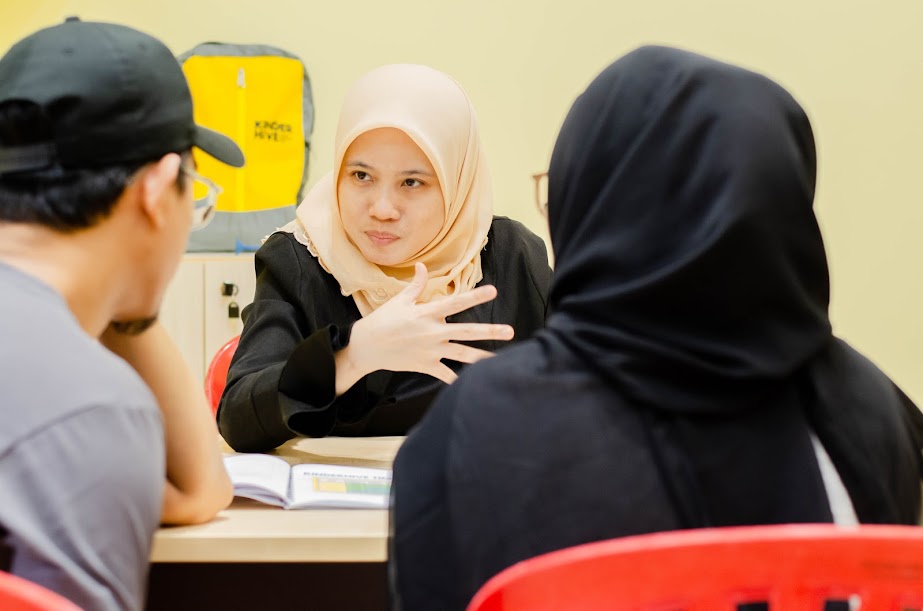
Choosing a kindergarten is one of the most important decisions parents make during their child's early years. While many Islamic kindergartens in Malaysia promise a nurturing environment and strong religious foundations, not all programmes offer the same quality of education, teaching approach, or level of care. Parents often find themselves overwhelmed by brochures, websites, and school tours, wondering which factors truly matter and which option will best support their child's future.
The challenge is not simply finding an Islamic kindergarten. It is finding one that helps your child grow academically, socially, emotionally, and spiritually. A school that focuses only on academics may overlook character development, while one that focuses solely on religious learning may not fully prepare children for future educational success.
This guide is designed to help parents make a confident and informed decision. By understanding the key areas to evaluate before enrolment, you can identify a programme that aligns with your family's values and supports your child's overall development. Many parents searching for the best Islamic kindergarten in Malaysia use these same criteria to compare their options and find the right fit for their children.
Why Choosing The Right Islamic Kindergarten Matters
The early childhood years lay the foundation for future learning, behaviour, and emotional wellbeing. During this stage, children develop essential skills that influence how they communicate, solve problems, build relationships, and approach learning.
A quality Islamic kindergarten should help children:
- Develop a love for learning
- Build confidence and independence
- Strengthen communication skills
- Learn positive Islamic values
- Prepare for primary school successfully
Choosing the right environment can have a lasting impact on your child's growth and development.
1. A Balanced Academic And Islamic Curriculum
One of the first things to evaluate is the curriculum.
A strong Islamic kindergarten should provide a balance between academic learning and Islamic education. Children should have opportunities to develop literacy, numeracy, language, and critical thinking skills while learning about Islamic values and practices.
Look for programmes that include:
- English language development
- Bahasa Malaysia
- Mathematics
- Science exploration
- Islamic studies
- Character education
The goal is to nurture well-rounded learners rather than focusing on only one aspect of development.
2. Qualified And Caring Teachers

Teachers play a significant role in shaping a child's early learning experience.
When evaluating a kindergarten, consider whether teachers have:
- Early childhood education qualifications
- Relevant teaching experience
- Strong communication skills
- A nurturing and patient approach
Children thrive when they feel safe, supported, and understood by their educators.
3. A Child-Centred Learning Approach
Young children learn best through active participation and hands-on experiences.
Rather than relying heavily on worksheets and memorisation, effective programmes encourage children to:
- Explore and discover
- Ask questions
- Participate in discussions
- Learn through play
- Engage in practical activities
This approach helps children develop curiosity, creativity, and problem-solving skills.
4. Strong Islamic Values In Daily Practice
Islamic education should extend beyond classroom lessons.
Observe whether Islamic values are integrated naturally into everyday routines through:
- Daily du'a
- Respectful behaviour
- Kindness and empathy
- Islamic storytelling
- Good manners and etiquette
Children often learn values more effectively through consistent practice than through formal instruction alone.
5. Safe And Stimulating Learning Environment
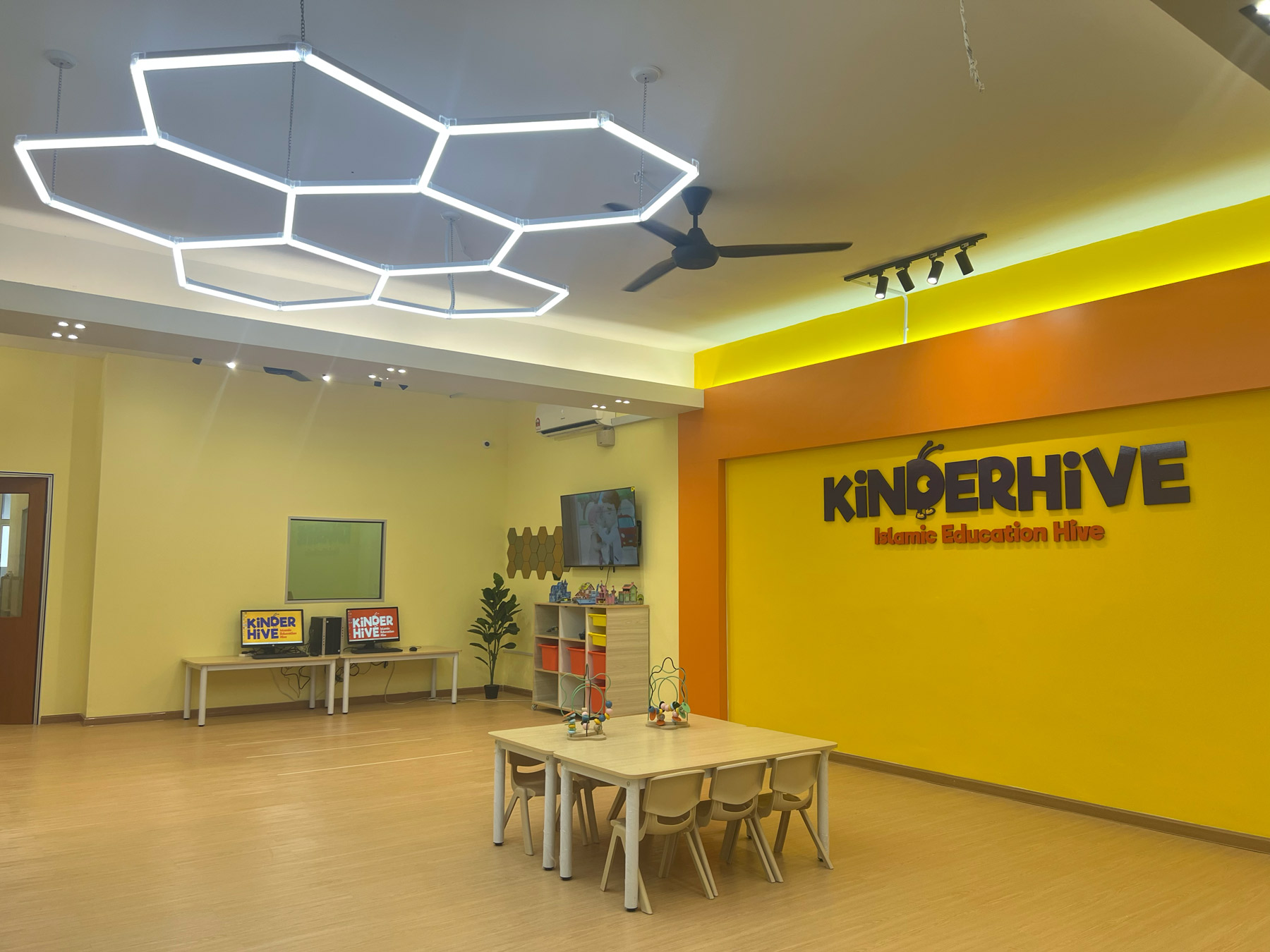
A quality learning environment supports both safety and exploration.
When visiting a kindergarten, pay attention to:
- Classroom cleanliness
- Security measures
- Child-friendly facilities
- Outdoor play areas
- Emergency procedures
A safe environment allows children to learn confidently and independently.
6. Communication Between Teachers And Parents
Successful early childhood education involves strong partnerships between schools and families.
Look for centres that provide:
- Regular progress updates
- Parent-teacher meetings
- Open communication channels
- Opportunities for family involvement
Effective communication helps ensure consistency between home and school.
7. Social And Emotional Development Programmes
Academic skills are important, but social and emotional growth is equally valuable.
A good Islamic kindergarten should help children learn how to:
- Build friendships
- Express emotions appropriately
- Work cooperatively
- Develop empathy
- Resolve conflicts respectfully
These skills contribute to long-term success both inside and outside the classroom.
8. Opportunities For Creativity And Exploration
Children benefit from learning experiences that encourage imagination and innovation.
Look for programmes that include:
- Arts and crafts
- Music and movement
- STEM activities
- Outdoor learning
- Creative problem-solving exercises
These activities support cognitive development while making learning enjoyable.
9. School Readiness Preparation
An effective kindergarten programme prepares children for a smooth transition into primary school.
Important school readiness skills include:
- Basic reading and writing
- Early mathematics concepts
- Listening and concentration
- Following instructions
- Independent task completion
Preparation should focus on building confidence rather than creating unnecessary academic pressure.
10. Alignment With Your Family Values
Every family has different priorities and educational goals.
Consider whether the kindergarten's philosophy aligns with your expectations regarding:
- Islamic education
- Teaching methods
- Behaviour management
- Parent involvement
- Child development goals
The best choice is often the one that feels most aligned with your family's values and vision for your child's future.
Questions To Ask During A Kindergarten Visit
Before making a decision, consider asking:
- What qualifications do the teachers hold?
- How are Islamic values incorporated into daily activities?
- What is the student-to-teacher ratio?
- How do you monitor child development?
- How do you communicate with parents?
- What safety measures are in place?
- How do you prepare children for primary school?
These questions can provide valuable insights beyond what is presented in marketing materials.
Choosing An Islamic Kindergarten With Confidence

Selecting an Islamic kindergarten requires careful consideration of multiple factors, from curriculum quality and teacher expertise to safety standards and values-based learning. By evaluating these ten key areas, parents can make more informed decisions and find a learning environment that supports their child's academic, social, emotional, and spiritual development.
The right kindergarten should not only prepare children for primary school but also help them develop confidence, character, and a lifelong love of learning. If you would like to learn more about KinderHive's approach to holistic early childhood education, contact us today to explore how we can support your child's learning journey.
FAQs
How do I choose an Islamic kindergarten in Malaysia?
Look for a kindergarten that offers a balanced curriculum, qualified teachers, strong Islamic values, safe facilities, and programmes that support both academic and personal development.
What should I ask during an Islamic kindergarten tour?
Ask about teacher qualifications, curriculum structure, classroom size, safety procedures, and how Islamic teachings are incorporated into daily learning activities.
What is the best age to start Islamic kindergarten?
Many children begin kindergarten between the ages of three and four. The ideal age depends on the child's developmental readiness and family preferences.
Are Islamic kindergartens academically strong?
Many Islamic kindergartens provide comprehensive academic programmes alongside Islamic education, helping children develop essential skills needed for primary school.
Why is character development important in early childhood?
Character development helps children build confidence, empathy, responsibility, and positive habits that support lifelong learning and healthy relationships.