
What Is An Islamic Kindergarten In Malaysia And What Makes It Different?
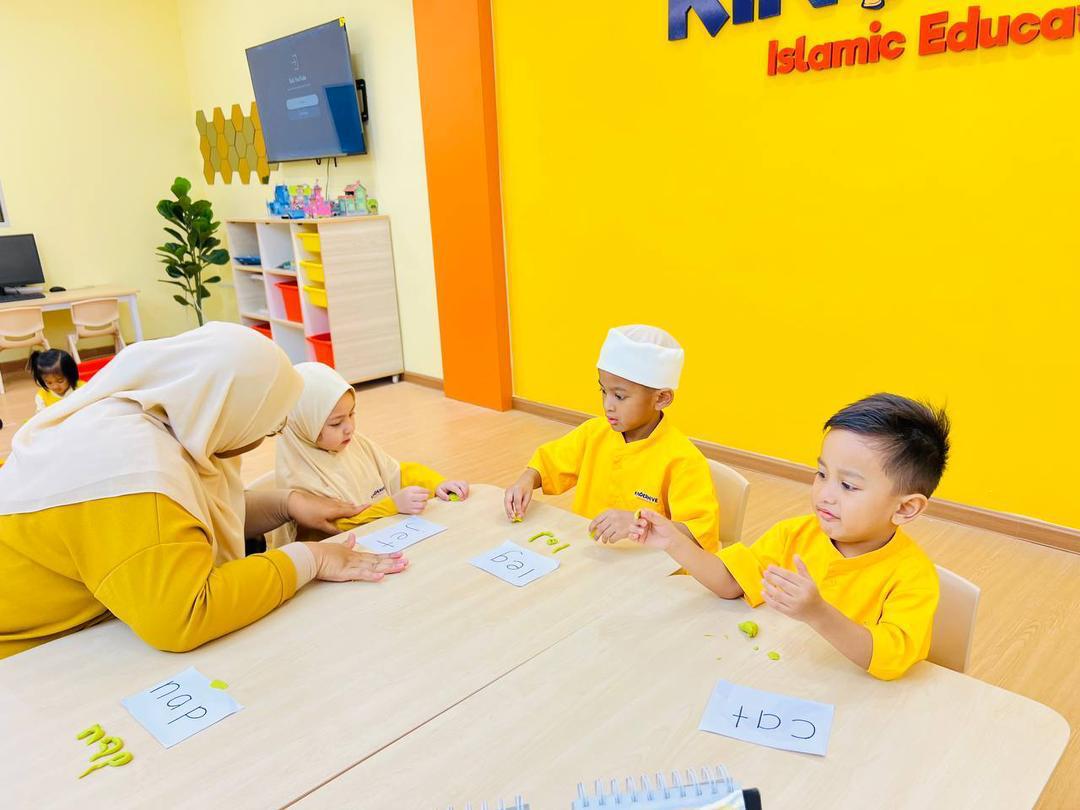
Choosing a kindergarten is about more than finding a place where your child can learn their ABCs and numbers. For many parents in Malaysia, the bigger challenge is finding an environment that nurtures both academic growth and strong Islamic values. While conventional preschools may provide excellent academic programmes, some parents worry that important aspects of character development, faith, and moral guidance may not receive the same level of attention during these crucial early years.
At the same time, there is a common misconception that Islamic kindergartens focus mainly on religious learning and may not prepare children academically for primary school. This often leaves parents wondering whether they must choose between strong academics and Islamic values.
The good news is that modern Islamic kindergartens are designed to offer both. This guide will help you understand what an Islamic kindergarten is, how it differs from a conventional preschool, and why many families choose this approach to support their child's holistic development. As one of the providers recognised by parents seeking the best Islamic kindergarten in Malaysia, we understand the importance of balancing educational excellence with character-building from an early age.
What Is An Islamic Kindergarten?
An Islamic kindergarten is an early childhood education programme that combines academic learning with Islamic teachings and values. Rather than treating religious education as a separate subject, Islamic principles are integrated into everyday learning experiences.
The goal is to develop the whole child by supporting:
- Intellectual growth
- Emotional development
- Social skills
- Physical development
- Spiritual understanding
Children learn essential academic skills while also developing positive habits and values that can guide them throughout life.
Understanding Islamic Early Childhood Education
Early childhood is one of the most important stages of development. During these formative years, children are highly receptive to learning and often absorb behaviours, attitudes, and values from their surroundings.
An Islamic kindergarten seeks to create a nurturing environment where children can:
- Develop curiosity and confidence
- Learn through play and exploration
- Build positive relationships
- Understand basic Islamic teachings in an age-appropriate way
This balanced approach helps children develop both academic readiness and strong personal character.
How Is An Islamic Kindergarten Different From A Conventional Preschool?
Integration Of Islamic Values Into Daily Learning
One of the biggest differences is that Islamic values are woven into everyday activities rather than taught only during dedicated religious lessons.
Children may learn:
- Daily du'a and supplications
- Good manners and etiquette
- Gratitude and thankfulness
- Respect for parents and teachers
- Kindness towards others
These lessons are reinforced through daily interactions, classroom routines, and practical activities.
Learning Through An Islamic Worldview
Islamic kindergartens often encourage children to appreciate the world around them through an Islamic perspective.
For example:
- Nature lessons may highlight Allah's creations
- Storytelling may include lessons from the Prophets
- Social interactions may focus on compassion and empathy
This helps children connect learning experiences with meaningful values.
Balanced Academic And Character Development
Modern Islamic kindergartens recognise that academic success and character development go hand in hand.
Children are encouraged to develop:
- Literacy skills
- Numeracy skills
- Communication abilities
- Critical thinking
- Creativity
- Positive behaviour
The objective is not only to prepare children for school but also to help them become responsible and confident individuals.
What Do Children Learn In An Islamic Kindergarten?
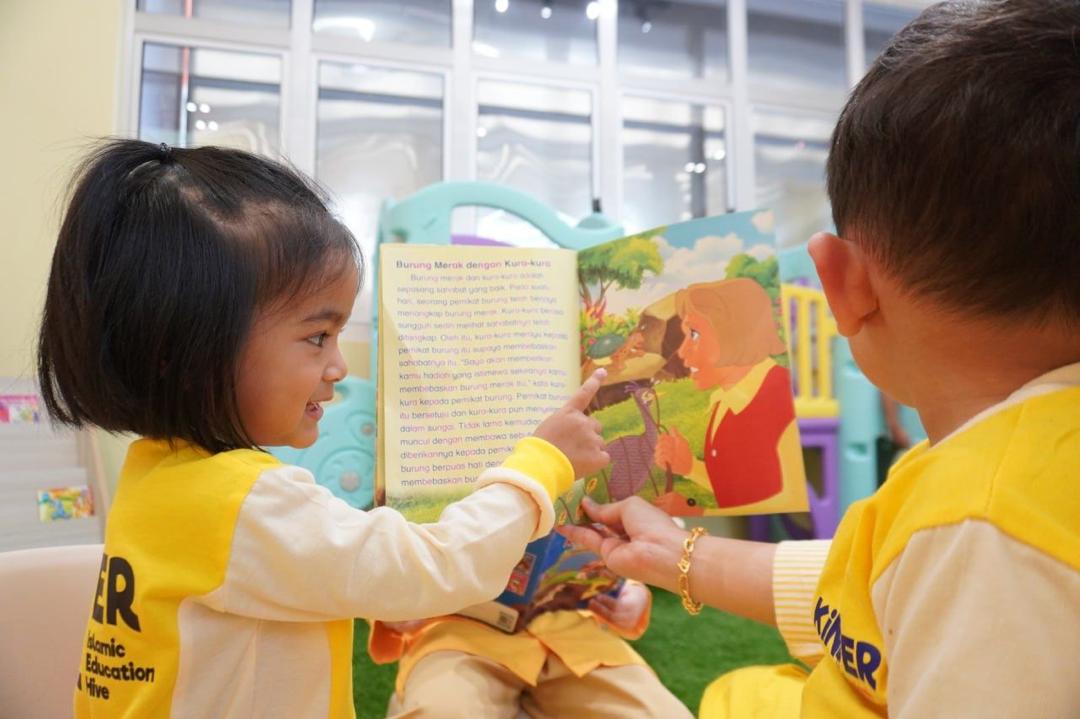
Academic Foundations
A quality Islamic kindergarten provides a strong academic foundation similar to other reputable preschool programmes.
Children commonly learn:
- English language skills
- Bahasa Malaysia
- Early mathematics
- Science exploration
- Problem-solving skills
- Communication and literacy development
These subjects help prepare children for a successful transition into primary school.
Islamic Learning Components
Islamic education is introduced gradually and appropriately according to the child's age and developmental stage.
This may include:
- Simple Qur'an exposure
- Du'a memorisation
- Islamic stories
- Understanding good character traits
- Basic Islamic practices
The focus is on fostering understanding and love for learning rather than rote memorisation alone.
Social And Emotional Development
Social and emotional growth is a key part of early childhood education.
Children learn how to:
- Work with others
- Share and cooperate
- Manage emotions
- Build self-confidence
- Develop empathy
These skills support healthy relationships and future academic success.
Benefits Of Choosing An Islamic Kindergarten In Malaysia
Consistency Between Home And School Values
Many parents appreciate the consistency that an Islamic kindergarten provides.
When similar values are reinforced both at home and in school, children often find it easier to develop positive habits and behaviours.
Building Strong Character From A Young Age
Character development is often emphasised alongside academic achievement.
Children are encouraged to practise:
- Honesty
- Respect
- Responsibility
- Compassion
- Patience
These qualities can positively influence their behaviour throughout life.
Preparing Children For Future Learning
An effective Islamic kindergarten helps children develop skills that support long-term success.
These include:
- School readiness
- Independent thinking
- Effective communication
- Self-confidence
- A love of learning
What Should Parents Look For In An Islamic Kindergarten?
Qualified And Caring Educators
Teachers play a critical role in shaping a child's early learning experience.
Parents should look for educators who:
- Understand child development
- Have appropriate qualifications
- Create positive learning experiences
- Foster strong teacher-child relationships
A Safe And Nurturing Environment
Young children learn best when they feel secure and supported.
A quality kindergarten should provide:
- Safe facilities
- Structured routines
- Child-centred learning
- Opportunities for exploration and creativity
A Balanced Curriculum
The best programmes strike a balance between academic preparation and personal development.
Look for a curriculum that supports:
- Literacy and numeracy
- Social development
- Physical activity
- Islamic values
- Creative learning opportunities
Is An Islamic Kindergarten Suitable For Every Child?
Every child is unique, and every family has different educational goals.
For families seeking an environment that combines academic learning with Islamic values, an Islamic kindergarten can offer a meaningful and well-rounded educational experience. The key is finding a programme that aligns with your child's needs, learning style, and family priorities.
Helping Children Thrive Through Holistic Early Education
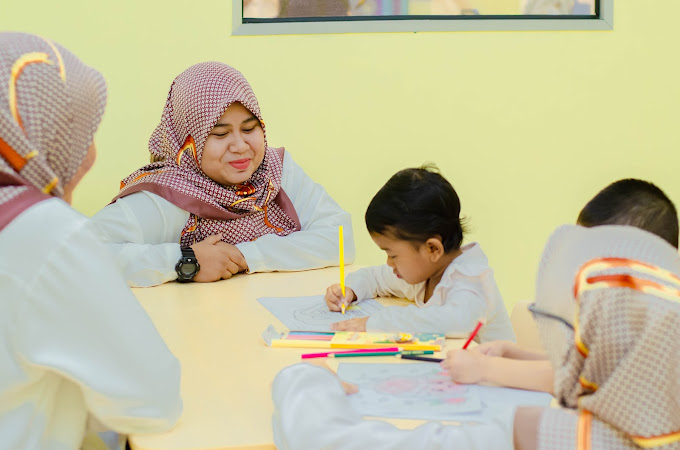
An Islamic kindergarten is about much more than religious instruction. It is a holistic approach to early childhood education that seeks to nurture children's intellectual, emotional, social, and spiritual development.
By combining strong academic foundations with positive values and character-building opportunities, Islamic kindergartens help prepare children for future success both inside and outside the classroom.
If you would like to learn more about choosing the right early learning environment for your child, contact us today to discover how KinderHive supports holistic child development through a balanced and engaging approach to education.
FAQs
What is the purpose of an Islamic kindergarten?
An Islamic kindergarten aims to support children's academic, social, emotional, and spiritual development while introducing Islamic values in an age-appropriate manner.
What do children learn in an Islamic kindergarten?
Children learn literacy, numeracy, communication skills, social development, Islamic values, du'a, and character-building lessons.
Is an Islamic kindergarten different from a regular preschool?
Yes. While both focus on child development and school readiness, Islamic kindergartens integrate Islamic teachings and values into daily learning experiences.
At what age can children start Islamic kindergarten in Malaysia?
Most Islamic kindergartens accept children between the ages of 3 and 6, depending on the programme structure.
How do I choose the best Islamic kindergarten for my child?
Look for qualified teachers, a balanced curriculum, a nurturing environment, and a programme that aligns with your family's educational and values-based goals.